
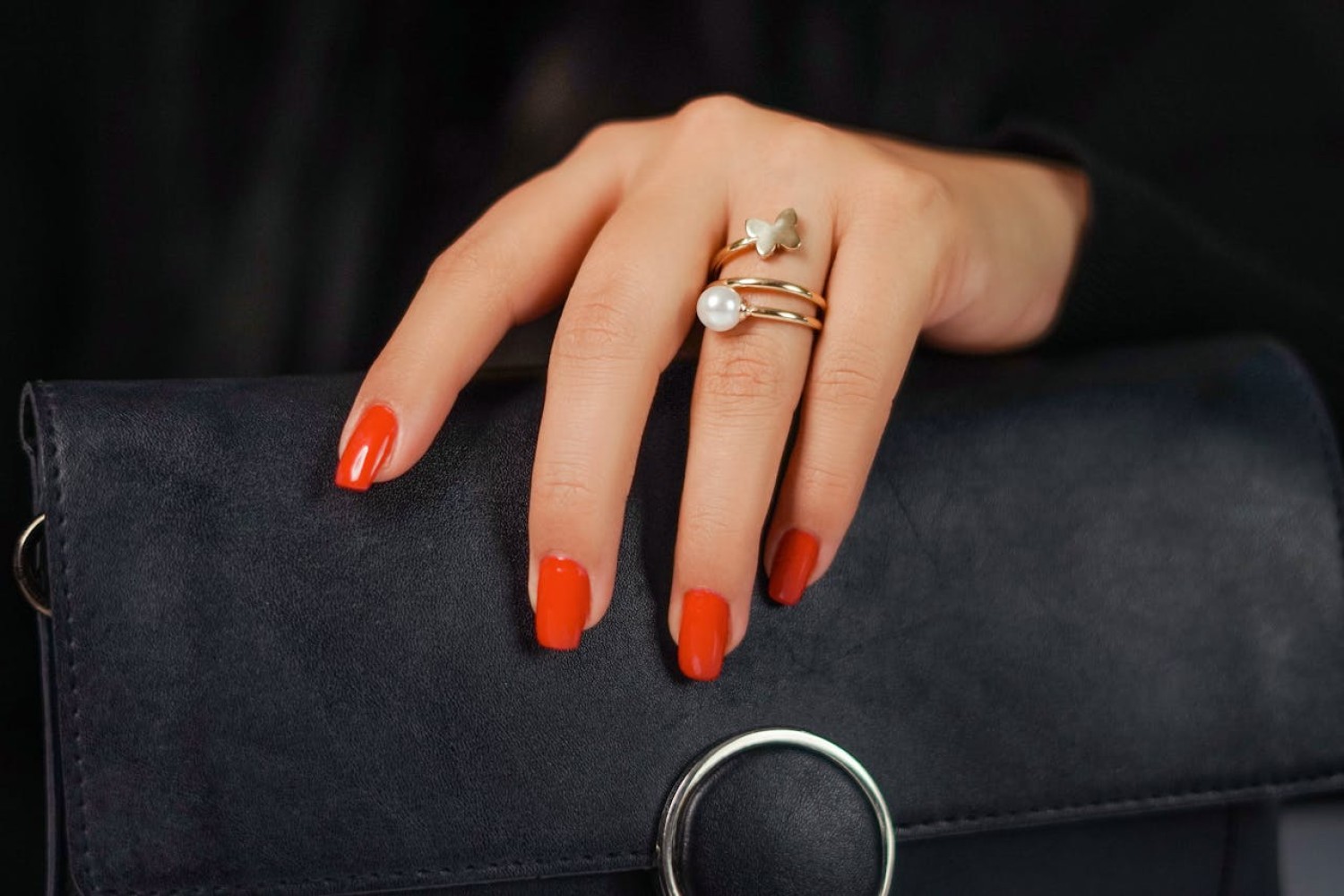
Competition in luxury markets intensifies every year. Customers compare dozens of brands before making purchase decisions. The average customer views 15 to 20 products before buying luxury items, instantly eliminating brands that fail to meet visual quality expectations. Amateur photography removes your business from consideration before customers evaluate pricing, quality, or service.
Professional photography has moved from competitive advantage to competitive necessity. Market leaders established visual quality standards that customers now expect universally. Businesses operating with amateur images no longer compete on equal footing. They compete with severe disadvantages that undermine every other business strength.
Understanding why professional photography became non-negotiable helps luxury businesses recognize the urgency of investment and the cost of continued delay.
Customers Eliminate Amateur Photography Instantly
Purchase decisions happen in stages. First stage involves rapid elimination of obviously inferior options. 90% of purchase decisions happen subconsciously before rational evaluation begins.
Amateur photography creates immediate red flags. Poor lighting suggests low-quality products. Unclear details raise questions. Inconsistent images indicate unreliable operations. The subconscious elimination happens within milliseconds.
Professional photography passes the elimination threshold. Clean images signal legitimate operations. Consistent quality suggests reliability. Sharp details demonstrate transparency. The business advances to the next evaluation stage where pricing and reviews actually matter.
The elimination stage creates binary outcomes. Pass and compete, or fail and lose consideration entirely. Amateur photography fails regardless of actual product quality or competitive pricing. Luxury categories show particularly harsh elimination patterns. Customers shopping for jewelry, designer accessories, or luxury watches expect visual excellence.
Market Leaders Set Expectations for Everyone
Dominant brands establish visual standards that become baseline customer expectations. Successful luxury brands invest 15% to 25% of revenue in marketing and visual content. Their professional photography sets a quality bar that all competitors must meet.
Customer expectations form through exposure to market leaders. After viewing professionally photographed products from established brands, customers unconsciously expect similar quality from all brands. Amateur photography appears deficient in comparison.
The expectation gap widens continuously. Market leaders constantly improve visual quality, raising the bar higher each year. Photography that seemed acceptable two years ago now appears outdated. The standards keep rising while amateur approaches remain static.
Small brands cannot ignore standards set by large competitors. Customers judge all brands against the same visual quality threshold. A three-person jewelry studio competes visually with established luxury brands. An independent cosmetics brand competes visually with major beauty houses. Amateur photography loses every comparison.
Price Competition Becomes Only Option
Professional photography enables premium pricing through perceived value creation. Visual quality accounts for 40% of perceived value in luxury categories. Amateur photography destroys premium pricing ability, forcing price-only competition.
Customers justify premium prices through quality perception. Professional photography creates perception of superior craftsmanship and materials. Customers willingly pay more when images justify higher prices psychologically.
Amateur photography creates budget perception. Poor images suggest corners cut throughout operations. Customers assume products match the amateur presentation quality. Premium pricing appears unjustified. The only path to sales becomes undercutting competitors on price.
Price competition erodes margins quickly. Luxury businesses have higher costs for materials and quality control. Budget pricing forces operating at minimal margins or losses. The business cannot sustain itself competing on price against mass-market alternatives.
Professional photography breaks the cycle by enabling premium positioning. Amateur photography locks businesses into race-to-bottom pricing that destroys profitability.
Distribution Opportunities Close Completely
Wholesale partnerships and premium retail placement require professional photography. Major retailers maintain strict image requirements covering technical specifications and quality standards. Amateur photography fails requirements automatically.
Premium retailers protect their brand positioning through supplier selection. Nordstrom, Neiman Marcus, and Sephora cannot showcase products with amateur photography because it diminishes their luxury positioning.
Marketplace algorithms favor professional photography. Products with professional images receive preferential ranking in search results. Amateur photography relegates products to positions where customers never discover them.
B2B buyers judge supplier professionalism entirely through catalog quality. Amateur images indicate unreliable suppliers unworthy of partnership consideration.
The closed distribution channels limit growth potential severely. Businesses restricted to direct-to-consumer sales compete with severe disadvantage. Competitors with professional photography access wholesale, retail, and marketplace channels that multiply their market reach exponentially.
Marketing Efficiency Collapses
Customer acquisition costs determine business viability. Businesses spending more than 30% of revenue on customer acquisition struggle to achieve profitability. Amateur photography drives acquisition costs above sustainable thresholds.
Social media marketing depends entirely on visual content quality. Professional images generate 5x to 10x more engagement than amateur photos. The engagement difference means professional photography achieves results with a fraction of the spending.
Paid advertising efficiency correlates directly with image quality. Click-through rates on ads featuring professional photography run 3x to 5x higher. Amateur photography forces overspending on paid advertising to achieve minimal results.
Organic search visibility depends partially on image quality signals. Professional photography generates engagement signals that improve search rankings. Amateur photography creates poor engagement that hurts rankings, reducing organic traffic.
The compounding effect makes businesses uncompetitive. Competitors with professional photography acquire customers profitably while you overspend on acquisition.
Brand Equity Never Develops
Long-term business value comes from brand equity. Strong brands command price premiums of 20% to 50% over generic alternatives. Amateur photography prevents brand equity development entirely.
Brand recognition requires visual consistency. Professional photography creates recognizable brand signatures. Amateur photography varies randomly, preventing recognition pattern formation.
Brand trust builds through visual quality signals. Professional presentation suggests reliable operations. Amateur photography creates doubt that prevents trust formation. Brand equity stays at zero regardless of how long the business operates.
Brand premium pricing depends on perceived brand value. Amateur photography prevents the equity accumulation, leaving businesses unable to command premiums even after years of operation.
Exit value depends heavily on brand equity. Businesses with strong brands sell for multiples of revenue. Businesses without brand equity sell for a fraction of asset value.
Competitive Disadvantage Compounds Over Time
Every month operating with amateur photography increases competitive disadvantage. First-mover advantages in visual quality create momentum that becomes increasingly difficult to overcome.
Competitors with professional photography capture market share monthly. Their superior conversion rates and efficient marketing generate resources for growth investment. They expand product lines and strengthen market positions while you struggle.
Customer perception gap widens. Brands establish market presence through professional photography and become associated with quality. Your brand remains unknown or associated with budget alternatives.
Search rankings favor established visual quality. Competitors gain search visibility advantages that compound monthly. Your business loses organic traffic continuously.
The longer you wait, the harder catching up becomes. Delayed investment means fighting an uphill battle against competitors with established advantages across every channel.
Frequently Asked Questions
Can small businesses compete without professional photography? No. Customer expectations apply equally to all business sizes. Amateur photography eliminates small businesses from consideration just as quickly as large competitors. Professional photography is non-negotiable for competitive viability regardless of business size.
What if my products are actually higher quality than competitors? Product quality does not matter if customers never evaluate your products. Amateur photography eliminates you before customers consider quality, pricing, or other factors. Professional photography is a prerequisite for getting products evaluated seriously.
How quickly do competitors gain advantage? Competitive advantage from professional photography begins immediately and compounds monthly. Competitors capture market share, establish search rankings, and build brand equity while you operate with amateur images. The gap grows continuously.
Is professional photography really necessary in price-competitive markets? Yes. Professional photography enables premium positioning that escapes price competition. Amateur photography forces price-only competition that erodes margins and makes businesses unsustainable. Professional photography is the path out of destructive pricing battles.
What happens if I wait another year? Waiting costs exponentially more over time. Competitors strengthen positions monthly. Customer expectations rise continuously. The investment required to catch up increases while the window of opportunity narrows. Immediate action prevents permanent competitive disadvantage.
Stop Competing With Disadvantage
Professional photography moved from advantage to requirement. Luxury businesses cannot compete effectively with amateur images. The visual quality threshold eliminates you from consideration, closes distribution channels, destroys marketing efficiency, and creates compounding disadvantages over time.
Your competitors understand this reality. Market leaders invest heavily in professional photography because they recognize it as a competitive foundation. Waiting means watching them capture market share and establish positions you cannot dislodge.
The choice is immediate action or permanent disadvantage. Continue with amateur photography and remain unable to compete effectively. Invest in professional photography and compete on equal footing.
Ideal Brand Marketing creates professional product photography that eliminates competitive disadvantages for luxury brands. Our proven approach produces the visual quality that passes customer elimination thresholds and enables premium positioning. Stop competing with one hand tied behind your back. Contact us today and start competing at the level your business quality deserves.